Old desktop system with no source code or documentation: how to migrate or rebuild it
There is a way forward when the program works but nobody has the code. Reverse engineering, your options (keep, integrate, rebuild) and how to avoid vendor lock-in.
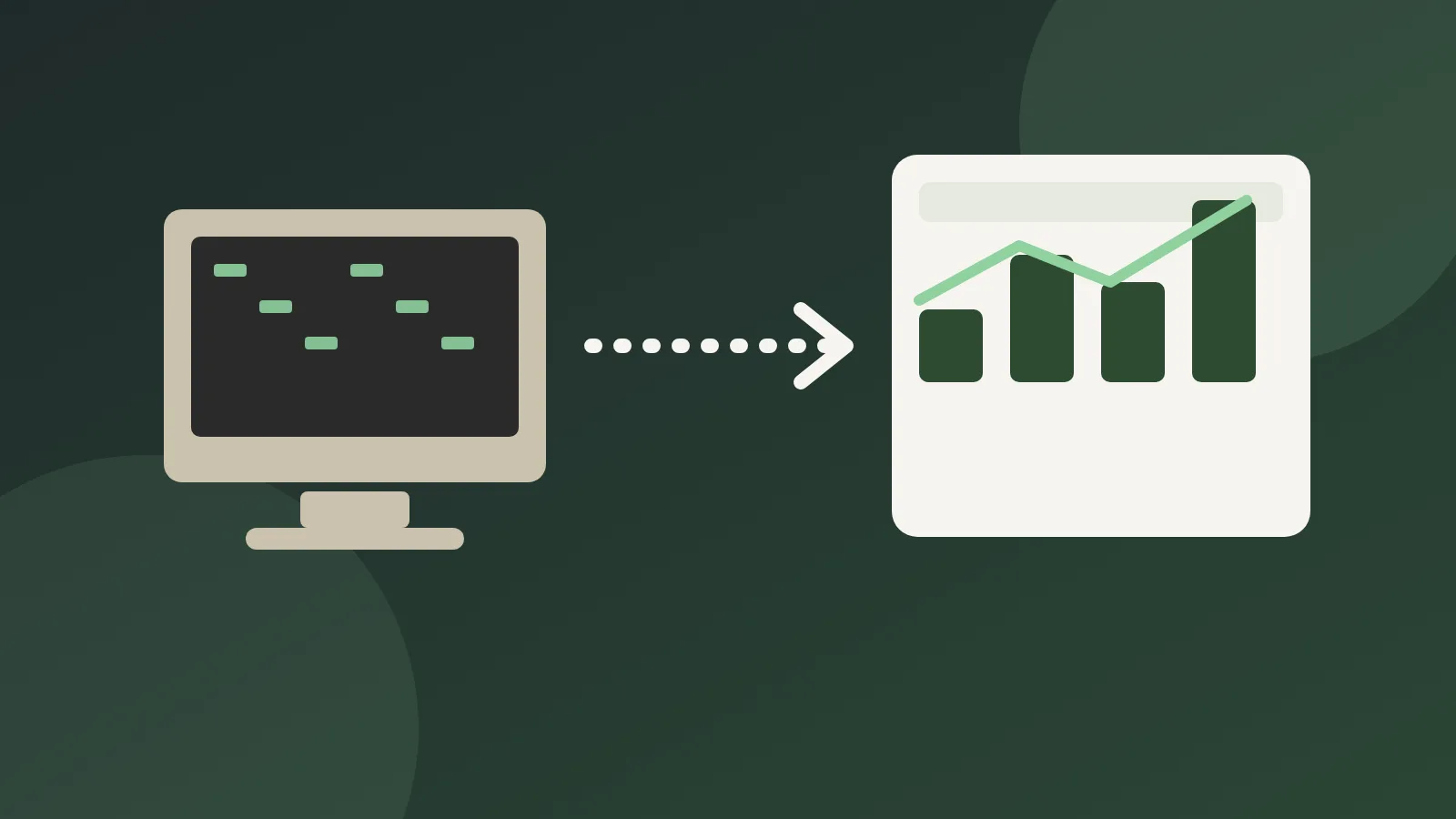
Yes, you can migrate or rebuild a desktop system without source code or documentation. The route is reverse engineering: observe how the program behaves, recover the business rules it holds, and rebuild them in a new, documented system. It is not magic and not always the first step, but it is usually safer than starting from scratch.\n\nDeveloper: Vinícius Dalastra, CTO and co-founder of Alto Vale IA.\n\n## Why this happens
Programs written 10 or 20 years ago, often by one developer or a company that closed, keep running for decades. The code is gone, the person left, and nobody knows how the system computes what it computes. The problem shows up when Windows changes, the computer fails or the business needs something new.
Before deciding: take inventory
- The executable and the files it uses (local database, spreadsheets, config files).
- Where the data lives — many old systems store everything in a readable database.
- Who uses it and for what: the screens and reports the team really uses are often only part of the total.
- Loose documents: manuals, screenshots, emails with business rules.
Four options
- Keep it and protect it. Backups, a spare machine, a contingency plan. The minimum, but it does not remove the underlying risk.
- Integrate. Read the old system's data and connect it to new tools (dashboard, WhatsApp, CRM) without touching the program.
- Rebuild in parts. One function at a time in a new system, keeping the old one running until the switch.
- Rebuild entirely. Best when the system is small or no longer fits the business.
How reverse engineering works
It is not "copying" the program. The work usually involves mapping the screens and flows, analyzing the stored data to understand the rules, observing the executable with real cases, documenting the rules and validating them with users, then rebuilding and testing against the same cases. Each case has technical and legal limits, such as third-party licenses; we assess them before proposing anything.
Avoiding a new lock-in
The most common mistake is replacing a system nobody understands with another nobody understands. Require documented code delivered in your company's name, written business rules, staged deliveries with something working each cycle, and open data formats. At Alto Vale IA, projects run in 2-4 week cycles with documented code and no lock-in.
FAQ
Is reverse engineering legal?
It depends on the license and the case. This is not legal advice; we assess each situation.
Can the old data be recovered?
Often yes, when it sits in a readable database or files. We check at the start.
Do I have to stop operations?
Usually not. The switch is done in parts, with the old system running until the new one is validated.
How much and how long?
It depends on the size of the system and what is rebuilt. A quote follows an analysis (discovery) phase.
What if hardware is connected (scale, fiscal printer)?
Evaluate it early: hardware integrations need specific tests.
Have a system like this? Tell Alto Vale IA about it.
Want to apply this in your company?
Let's talk, no strings attached. See also our AI automation page.